Silk Road Legacy
Project Description
Silk Road Legacy is an immersive cultural event designed to bring the rich history of the ancient trade route to life. Set in a park in Xi’an, China, this nine-day festival blends history, entertainment, and hands-on experiences, inviting visitors to explore the shared influences of art, cuisine, and technology among Silk Road civilizations.
The event's objective is to create an engaging experience that highlights the connection between different cultures, promoting a deeper appreciation for global exchange. Through interactive exhibits, live performances, gamified experiences, and immersive storytelling, Silk Road Revisited offers a dynamic way for both Chinese and international visitors to engage with the past.
Design Team
Nick Abramov
Zakhar Baliuk
Challenge
The Silk Road stands as one of history’s most influential networks for cultural and economic exchange, yet its significance often gets overlooked in today's society. The challenge was to create an engaging and immersive experience that makes the history of the Silk Road accessible, interactive, and relevant to both Chinese and international audiences.
While traditional cultural festivals typically focus on individual traditions, Silk Road Legacy aims to highlight the interconnected influences in art, cuisine, music, and innovation that defined this historic trade route. By designing an engaging event, we sought to spark curiosity, promote cultural appreciation, and bring history to life in an educational and entertaining way.
Research and Discovery
Culture Diversity
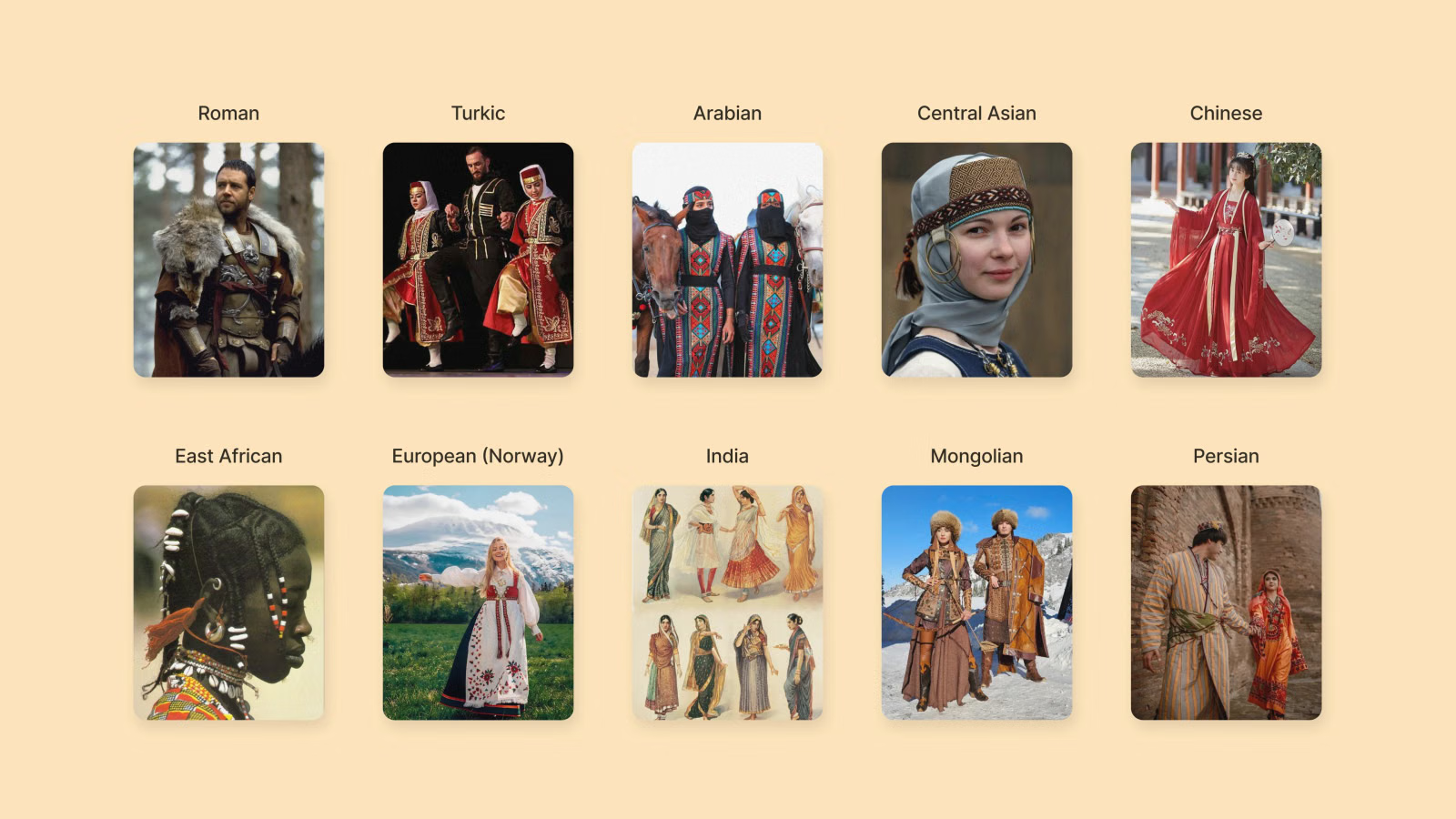
To authentically showcase the ten key cultures of the Silk Road—Roman, Turkic, Arabian, Central Asian, Chinese, East African, European, Indian, Mongolian, and Persian—we conducted comprehensive historical research. We paid particular attention to Chinese culture, as our event is being hosted in China. Our exploration covered various aspects, including food, traditions, technologies, music, and art.
Personas
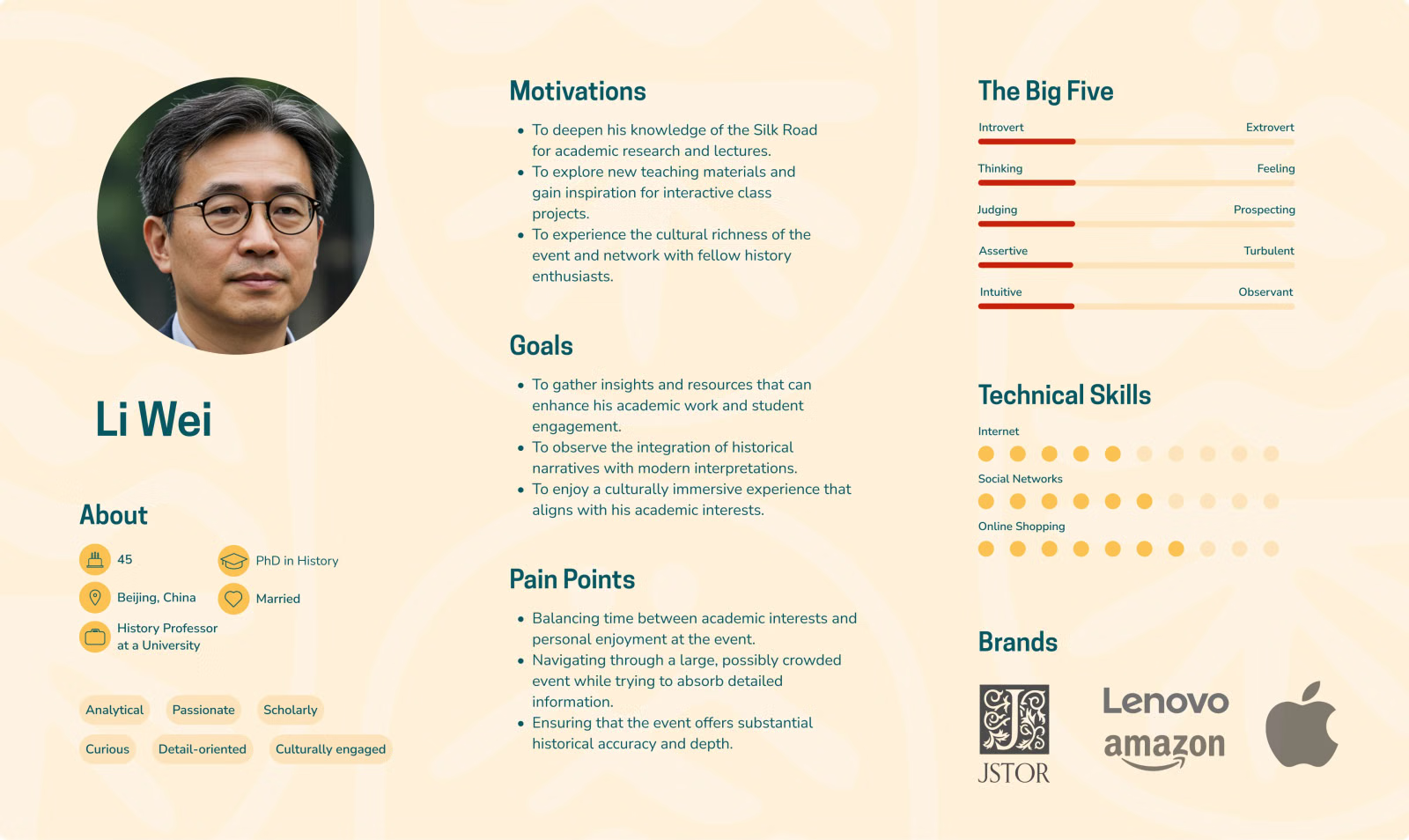
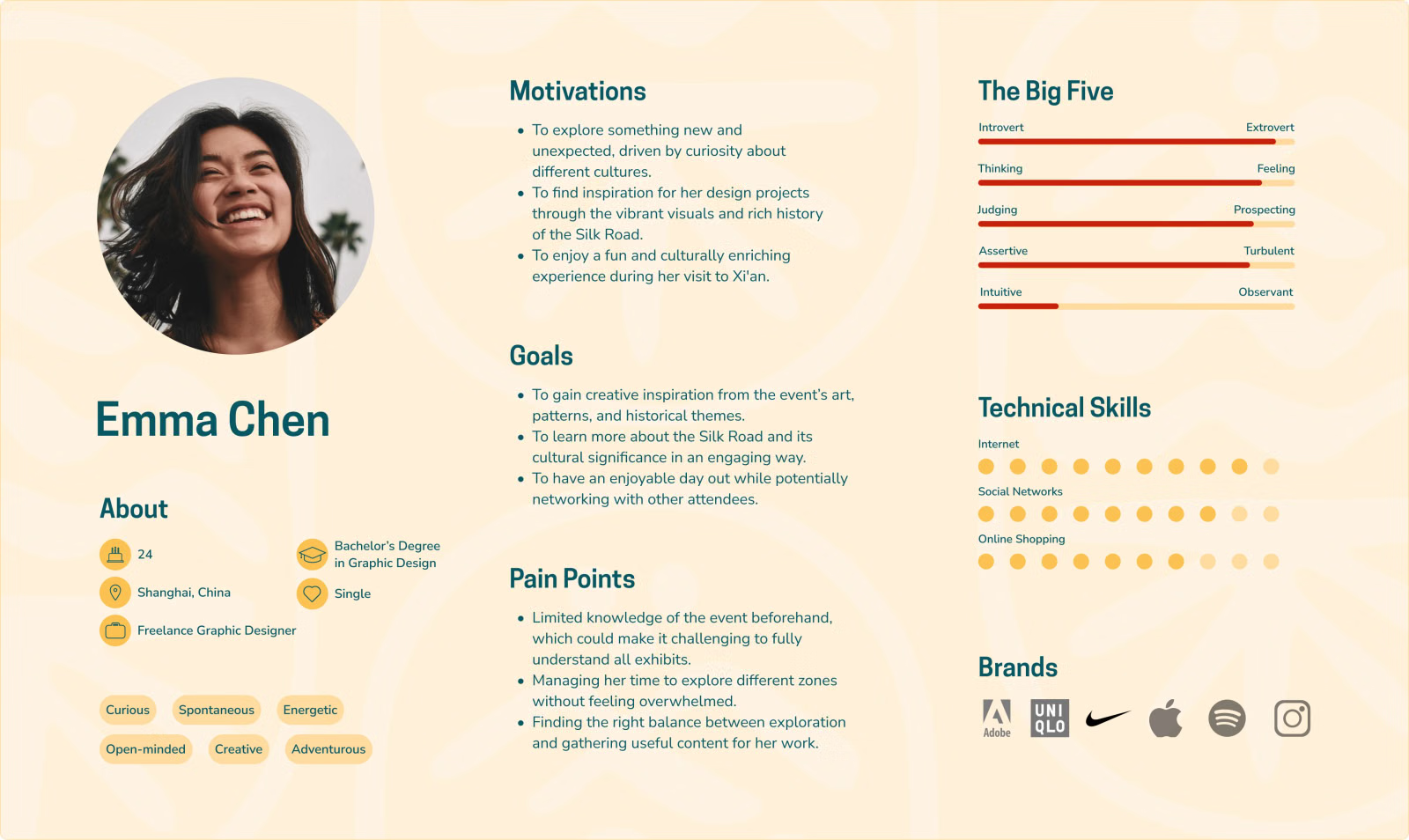
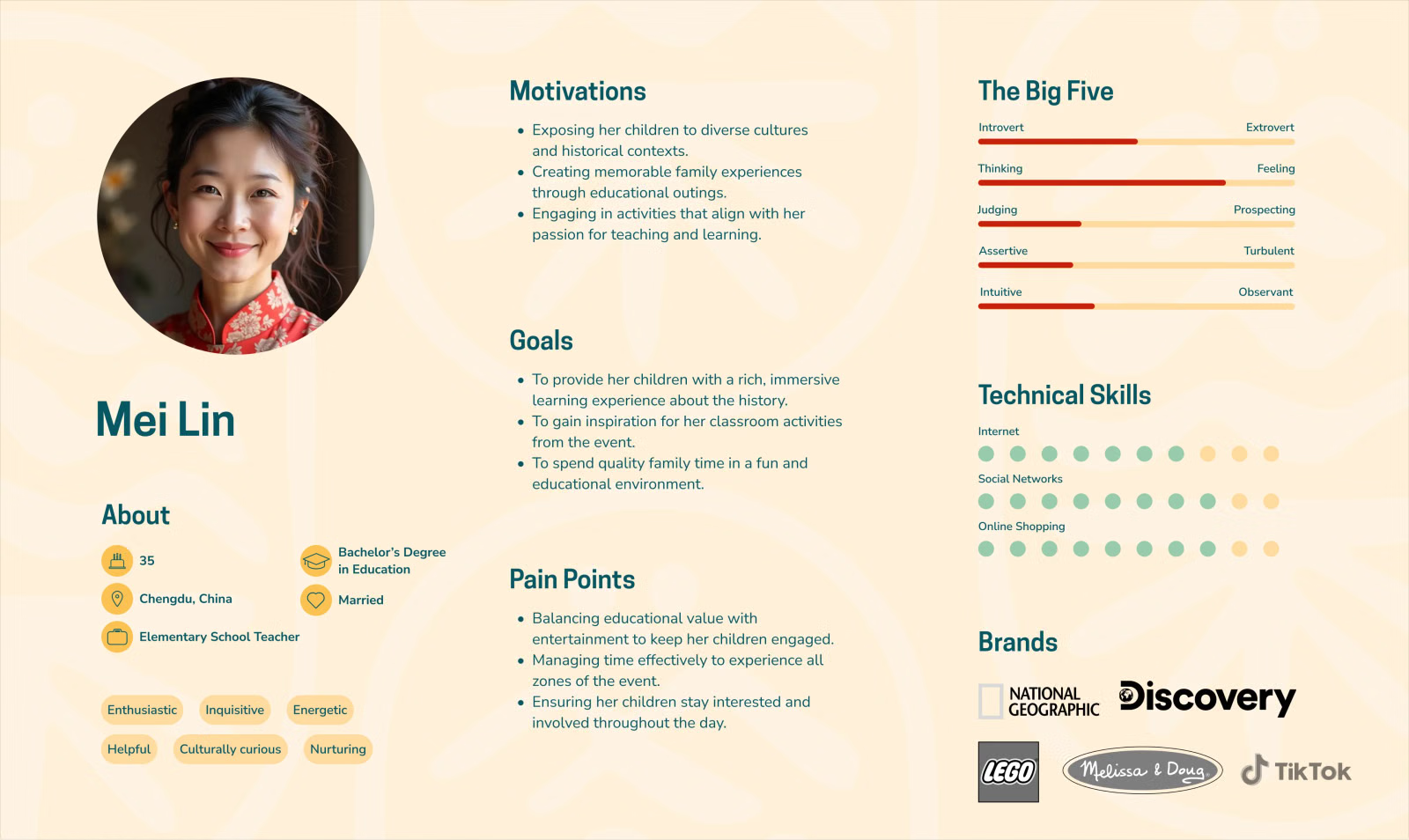
We created user personas to better understand the diverse audience attending our event. By identifying visitors' interests, motivations, goals and pain points, we ensured that every element, from cultural tents to interactive exhibits, resonated with their needs.
Design Process
Brainstorming & Ideation
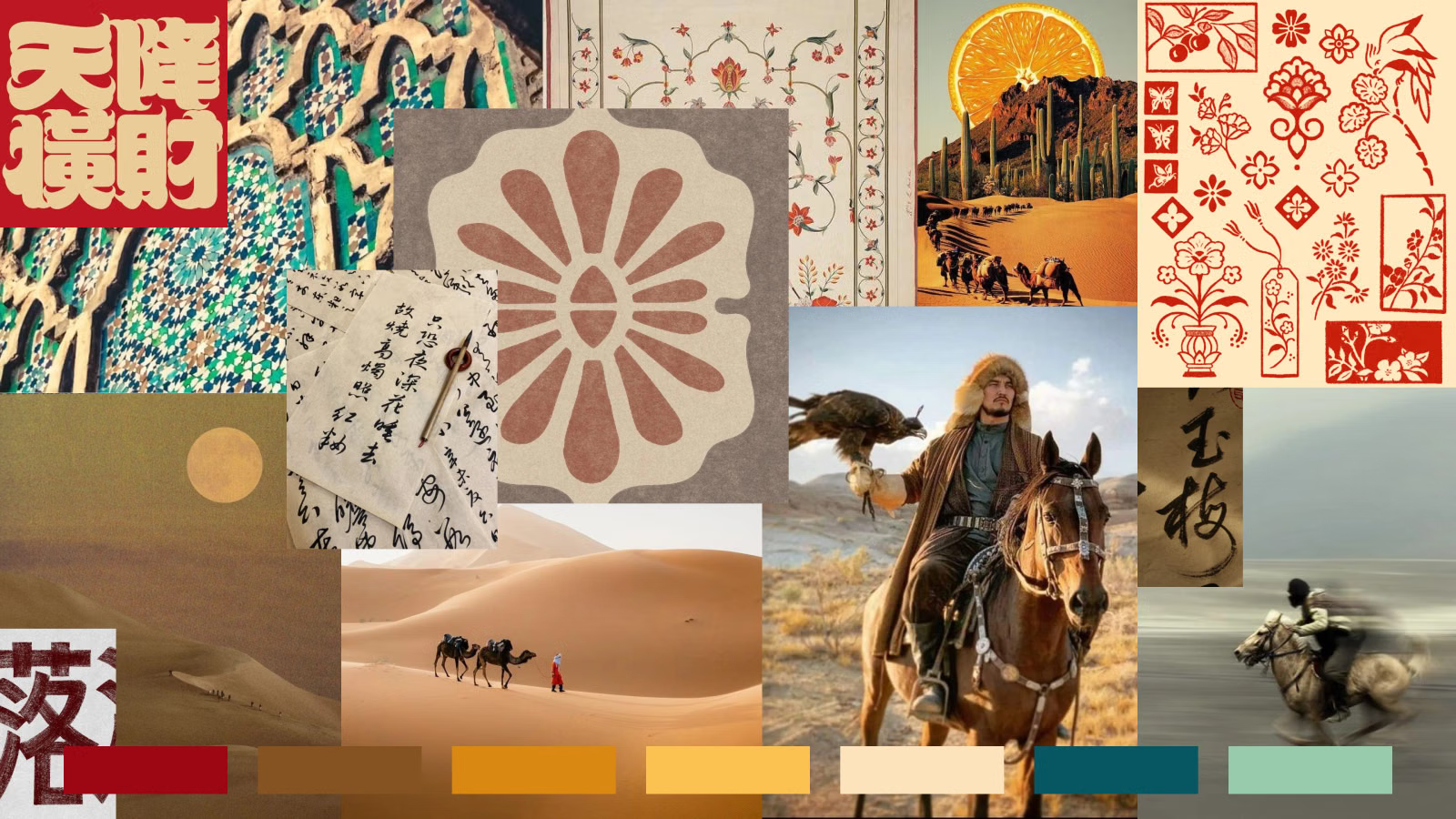
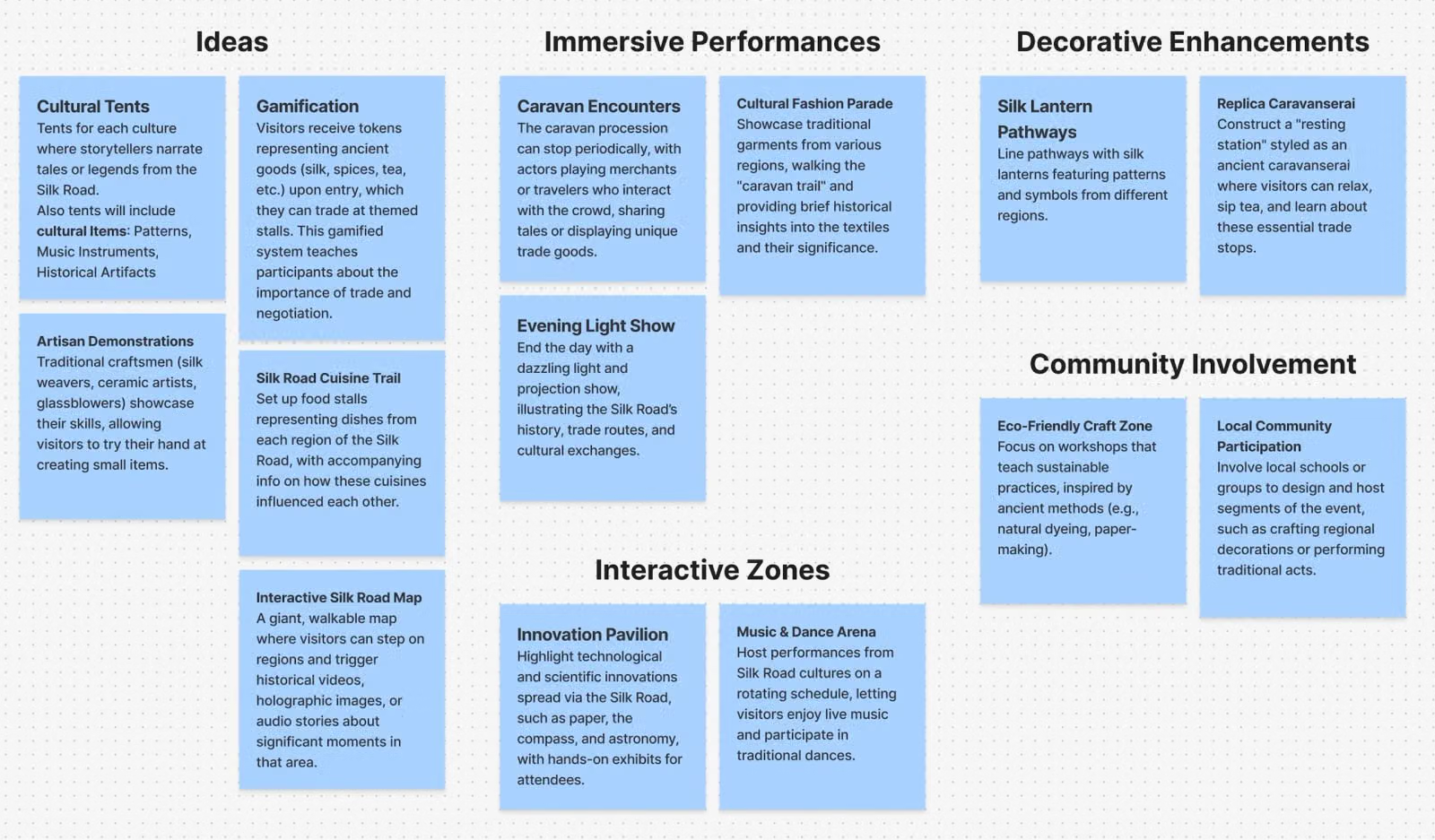
We began by outlining essential ideas, cultural elements, and interactive experiences. This stage involved creating a moodboard to visually capture the essence of the event and exploring the visual style of the 10 Silk Road cultures. Through collaborative brainstorming sessions, we shaped the event’s main attractions, including the caravan procession, cultural tents, and evening light show.
Sketching
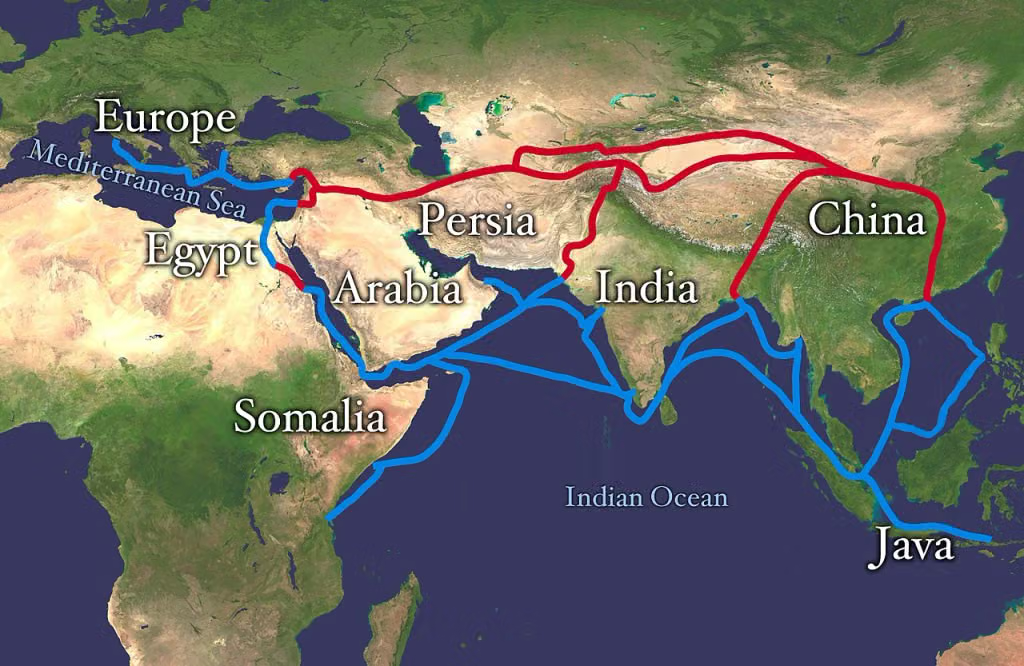
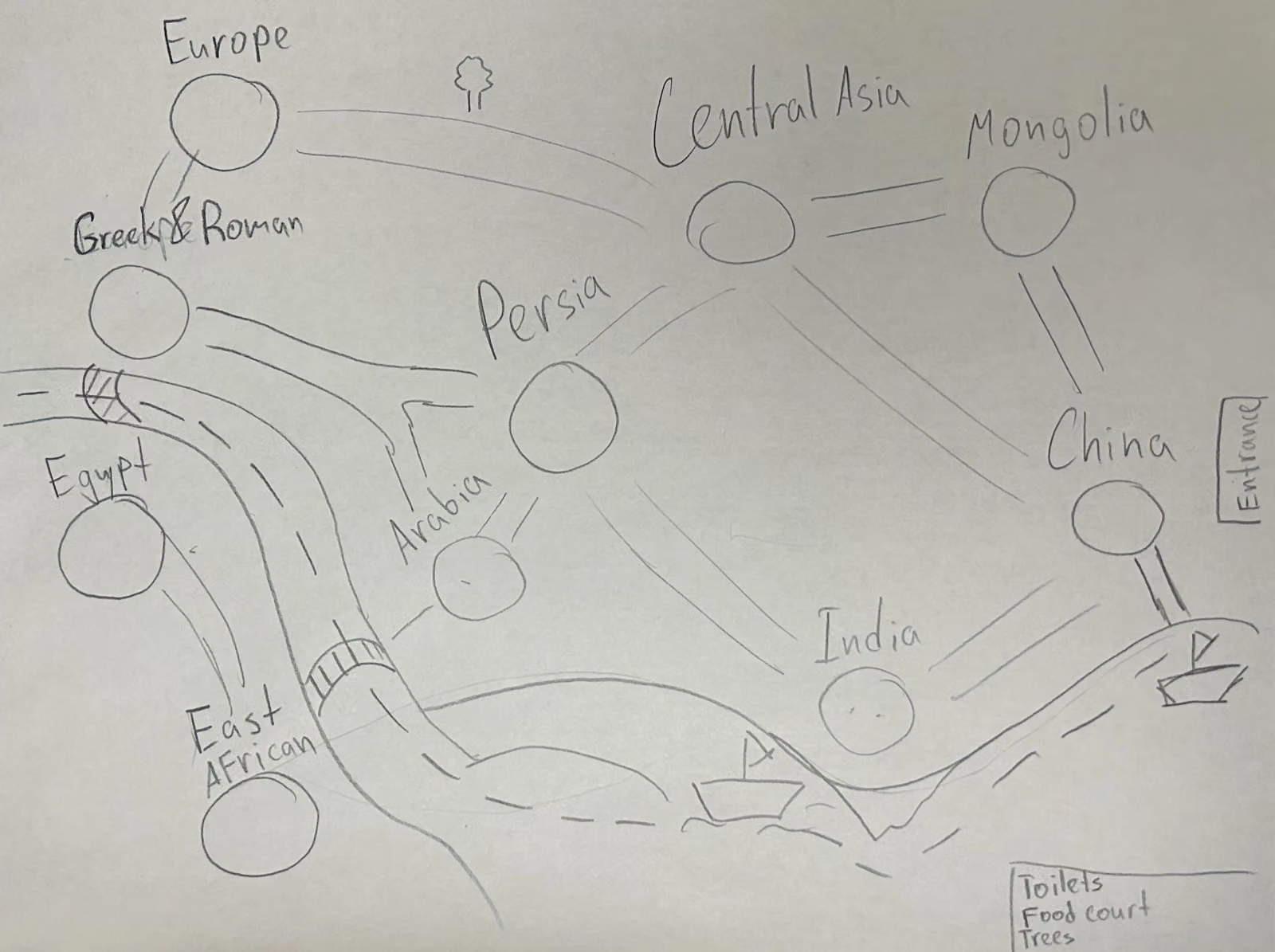
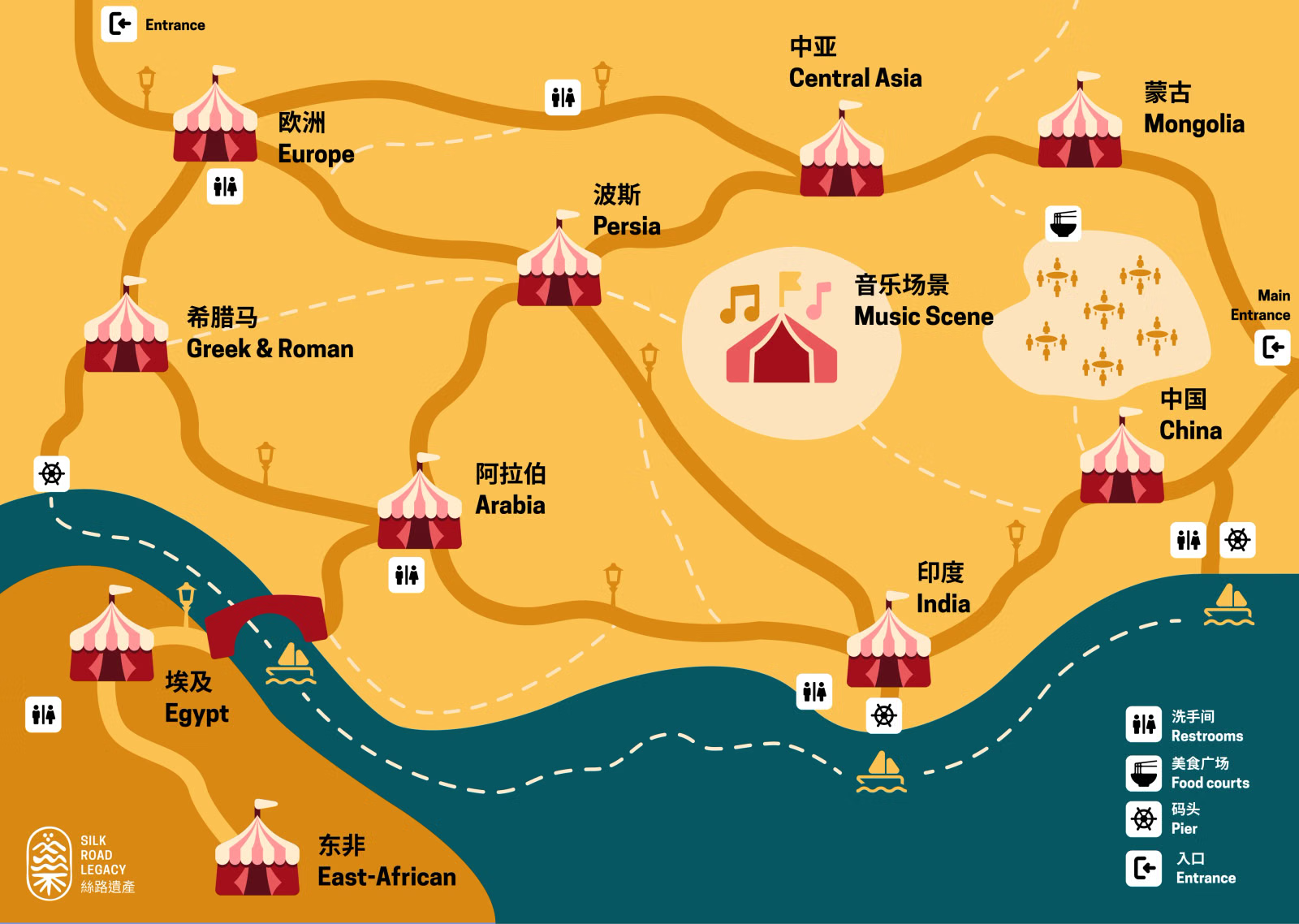
We translated ideas into sketches to visualize the event layout. We planned visitor pathways, staging areas, and activity zones, ensuring a smooth flow of visitors throughout the park. Our park map reflects the World Map, where the routes of the Silk Road traverse different continents.
Logo & Identity Design
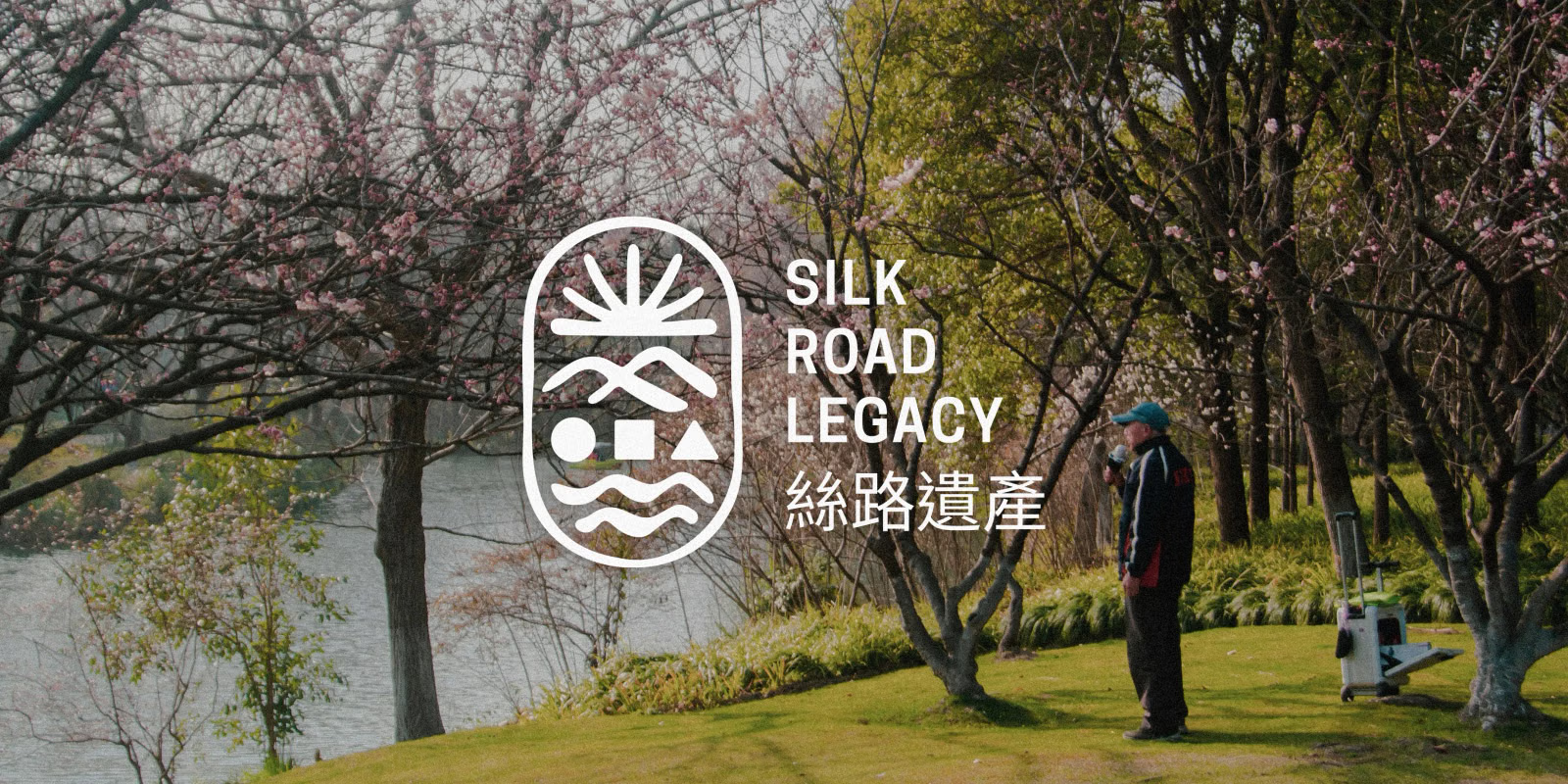
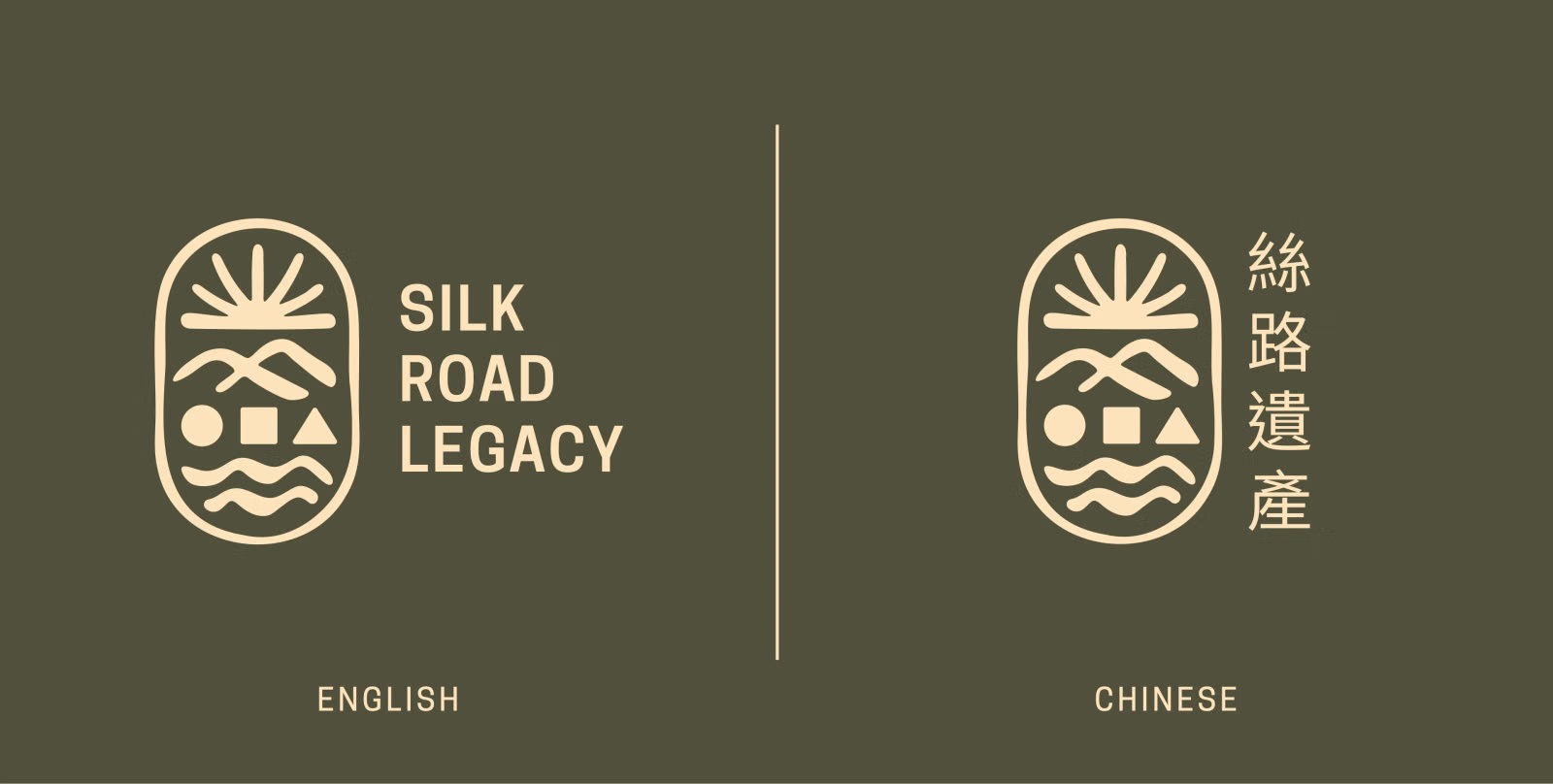
The "Silk Road Legacy" logo features a simple and elegant design that looks like a traditional Chinese seal. This seal represents heritage and cultural connections. It is enclosed in an oval shape and includes different elements that show various landscapes along the Silk Road. These parts of the logo represent knowledge sharing, cultural exchange, trade of goods, and geographical diversity. To the right of the emblem, the name is displayed in both English and Chinese to appeal to both Chinese visitors and international tourists.
Colors
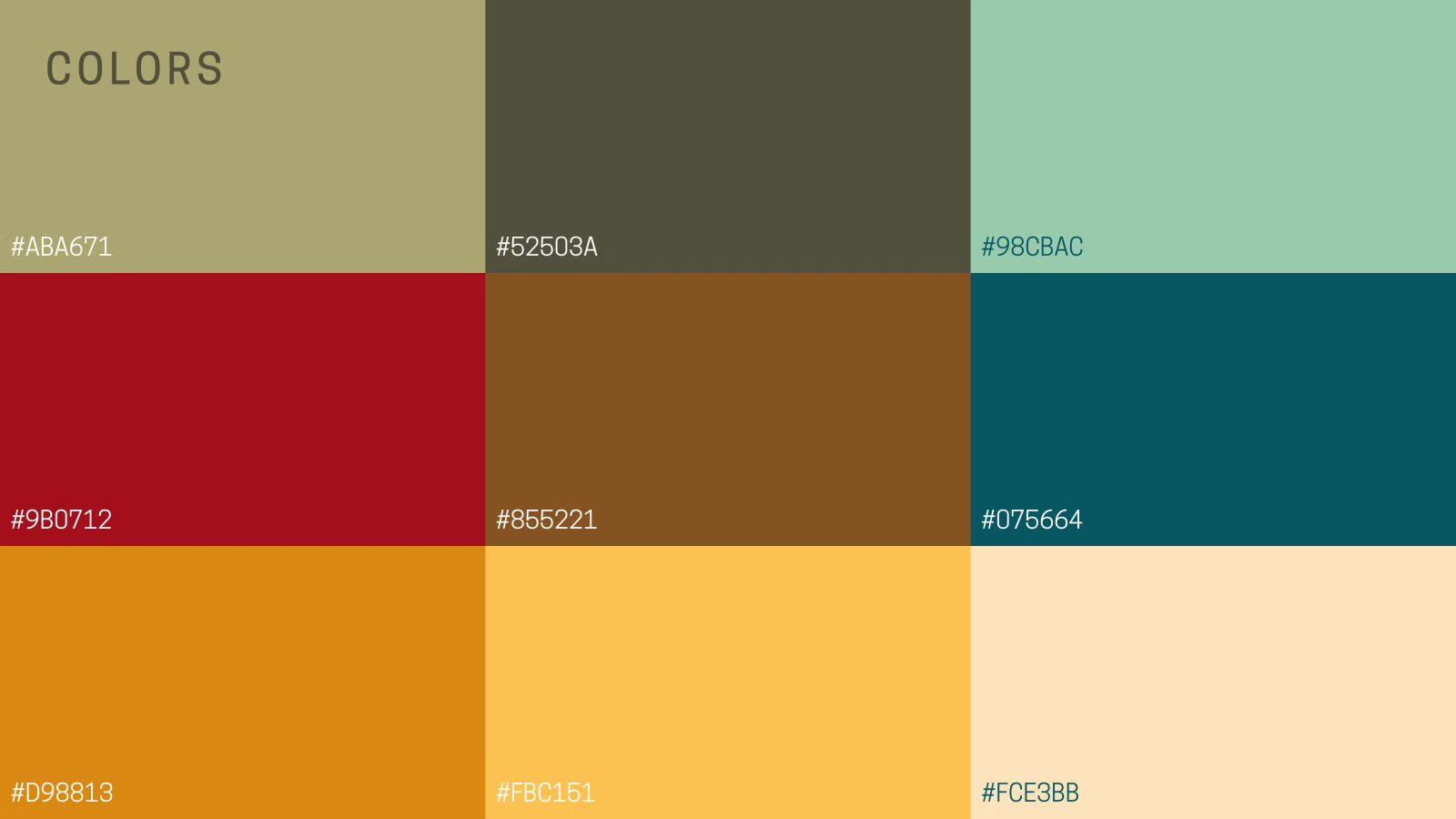
The color palette for your "Silk Road Legacy" event in China evokes a rich, historical, and cultural ambiance inspired by the ancient trade routes.
Earthy Olive (#ABA671, #52503A): Symbolizes the Silk Road’s landscapes and enduring history.
Ancient Reds (#9B0712, #855221): Represents Chinese heritage, markets, and traditional craftsmanship.
Trade Golds (#D98813, #FBC151, #FCE3BB): Evokes wealth, textiles, and prosperity from Silk Road commerce.
Silk & Water Blues (#98CBAC, #075664): Reflects the silk trade, rivers, and maritime connections.
Icons
Parts of the logo work independently as icons.
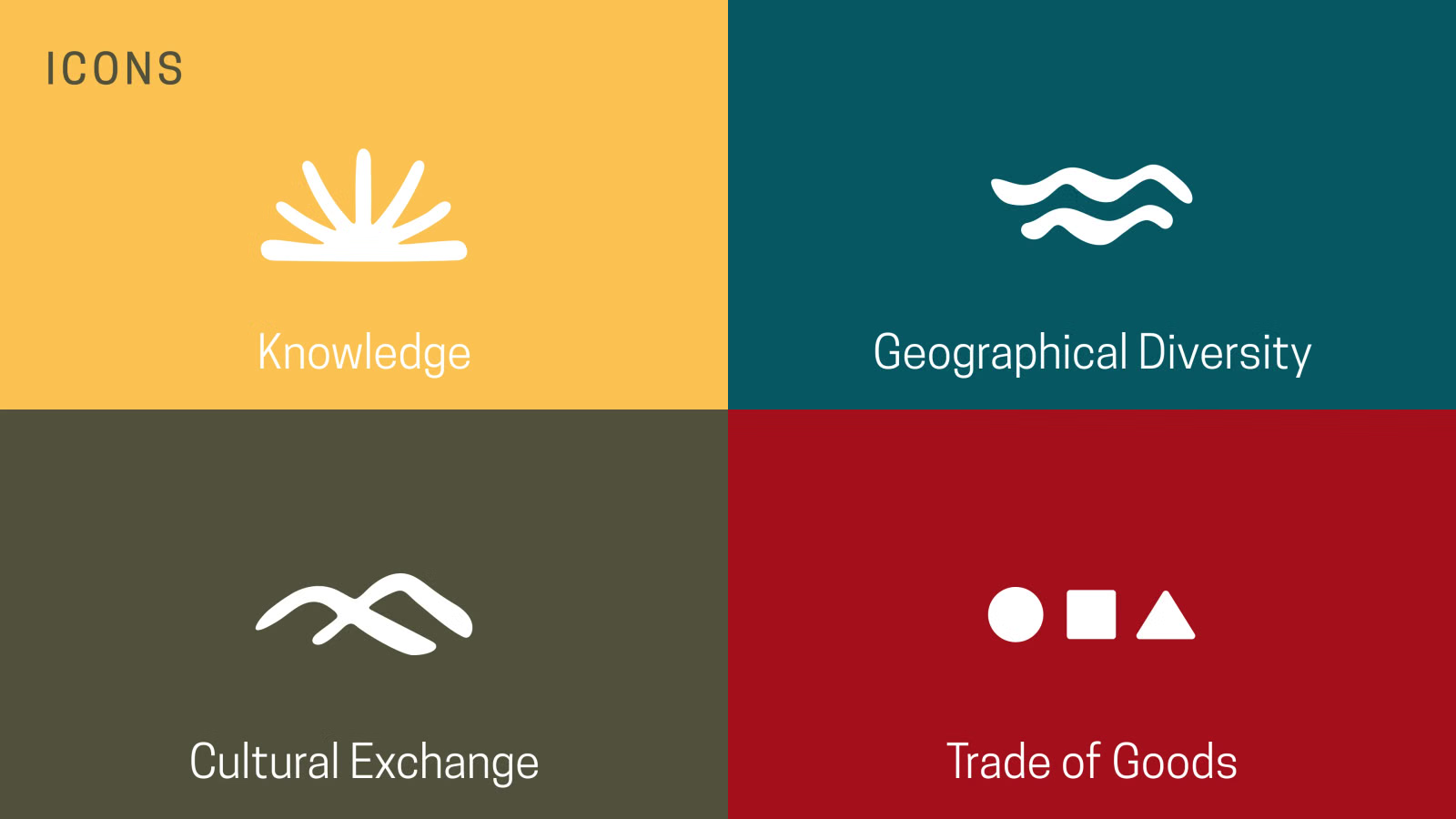
Transmission of Knowledge: The Silk Road was a hub for the exchange of knowledge, wisdom, and technology that enabled various cultures to advance.
Geographical Diversity: The routes traversed vast and varied landscapes, including deserts, mountains, and grasslands, connecting diverse cultures and civilizations.
Cultural Exchange: The Silk Road facilitated the spread of ideas, religions (like Buddhism and Christianity), philosophies, and artistic styles.
Trade of Goods: This is the most well-known aspect. Goods like silk, spices, precious metals, and textiles traveled between East and West.
Type
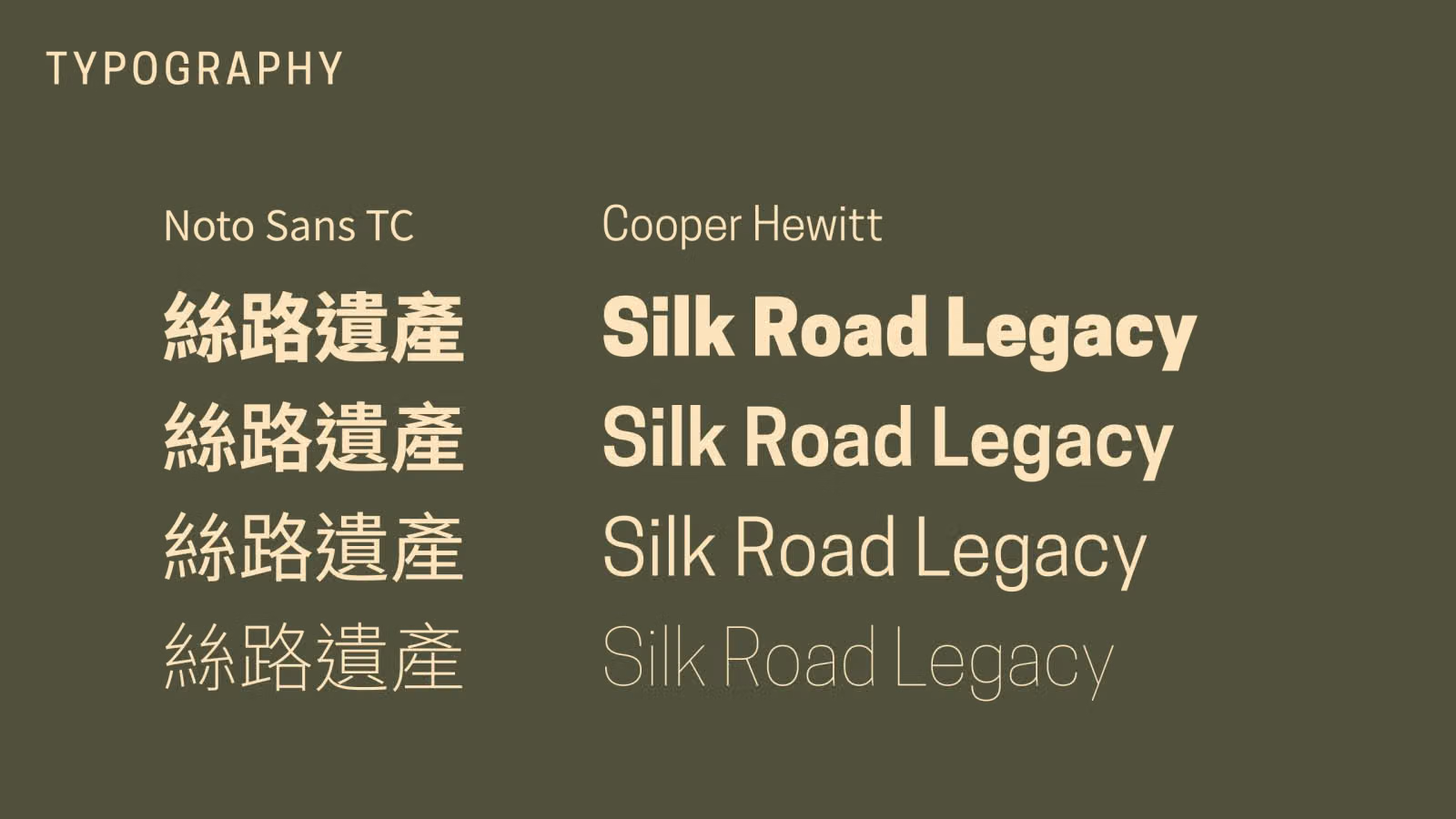
For typography, the event will use Noto Sans TC for Chinese and Cooper Hewitt for English language.
Final Visualizations
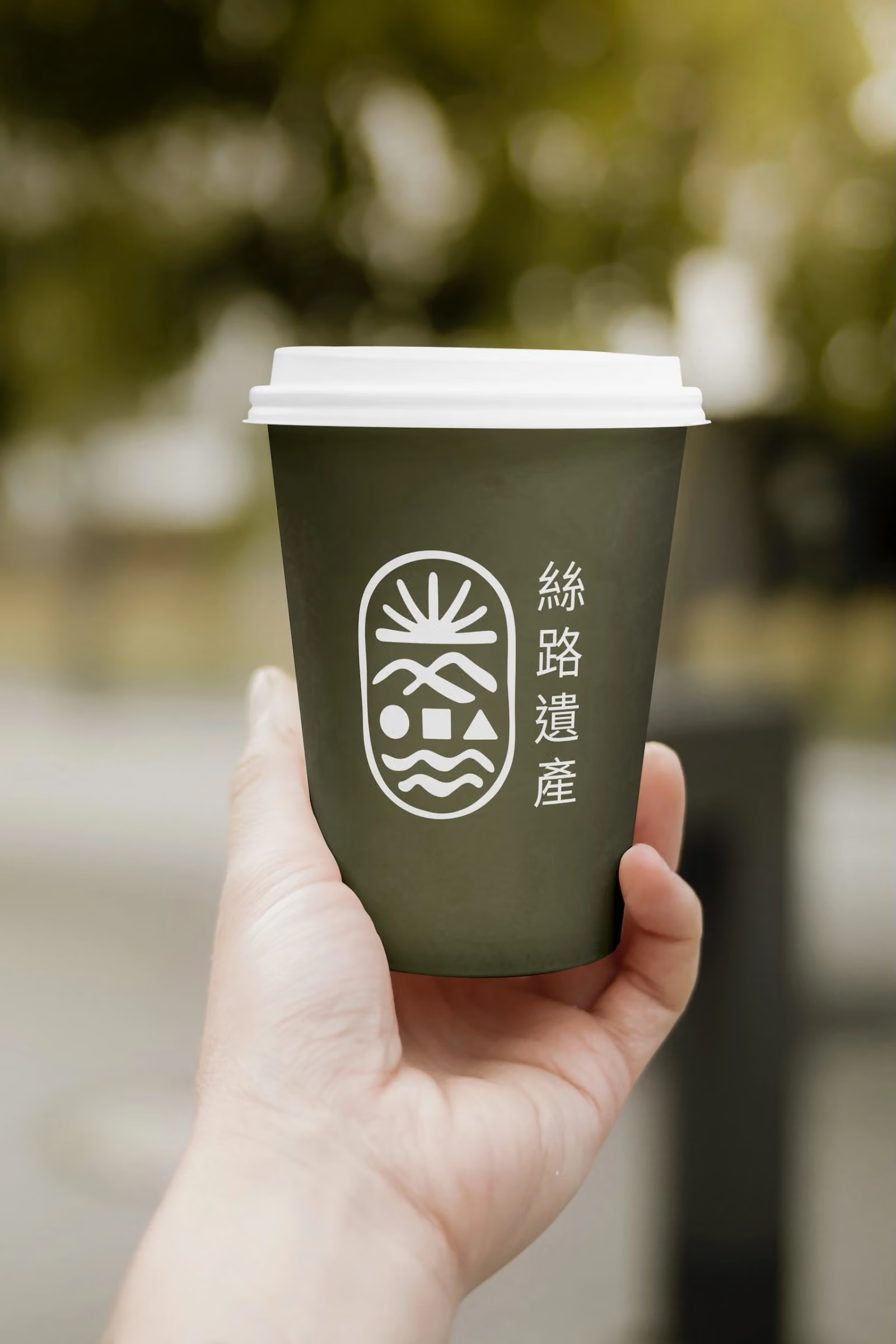
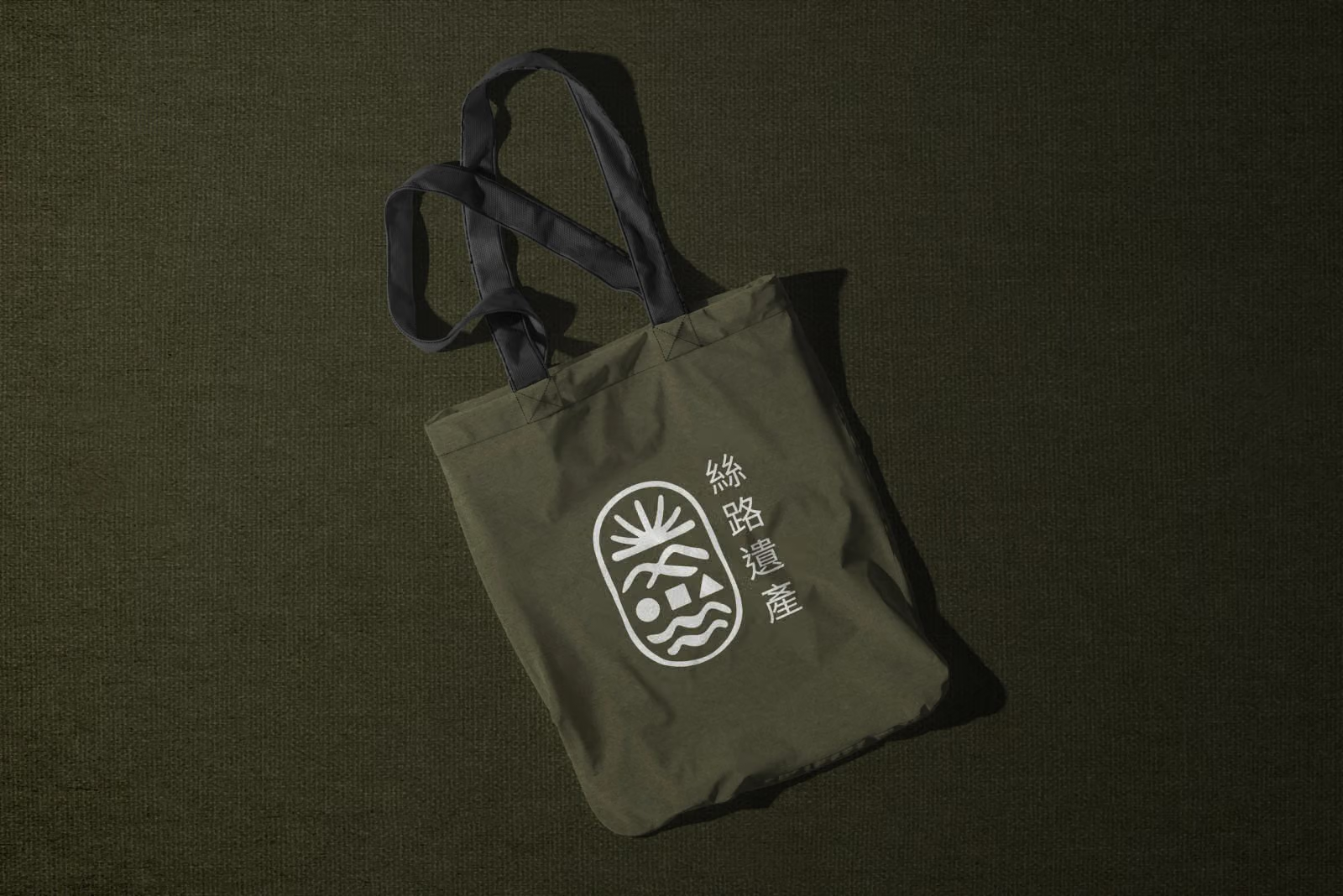
Utilizing mockups and advanced AI image generators, we crafted detailed visualizations that captured the essence and vibrant atmosphere of our event, allowing us to envision how each element would come together in a cohesive and engaging way.
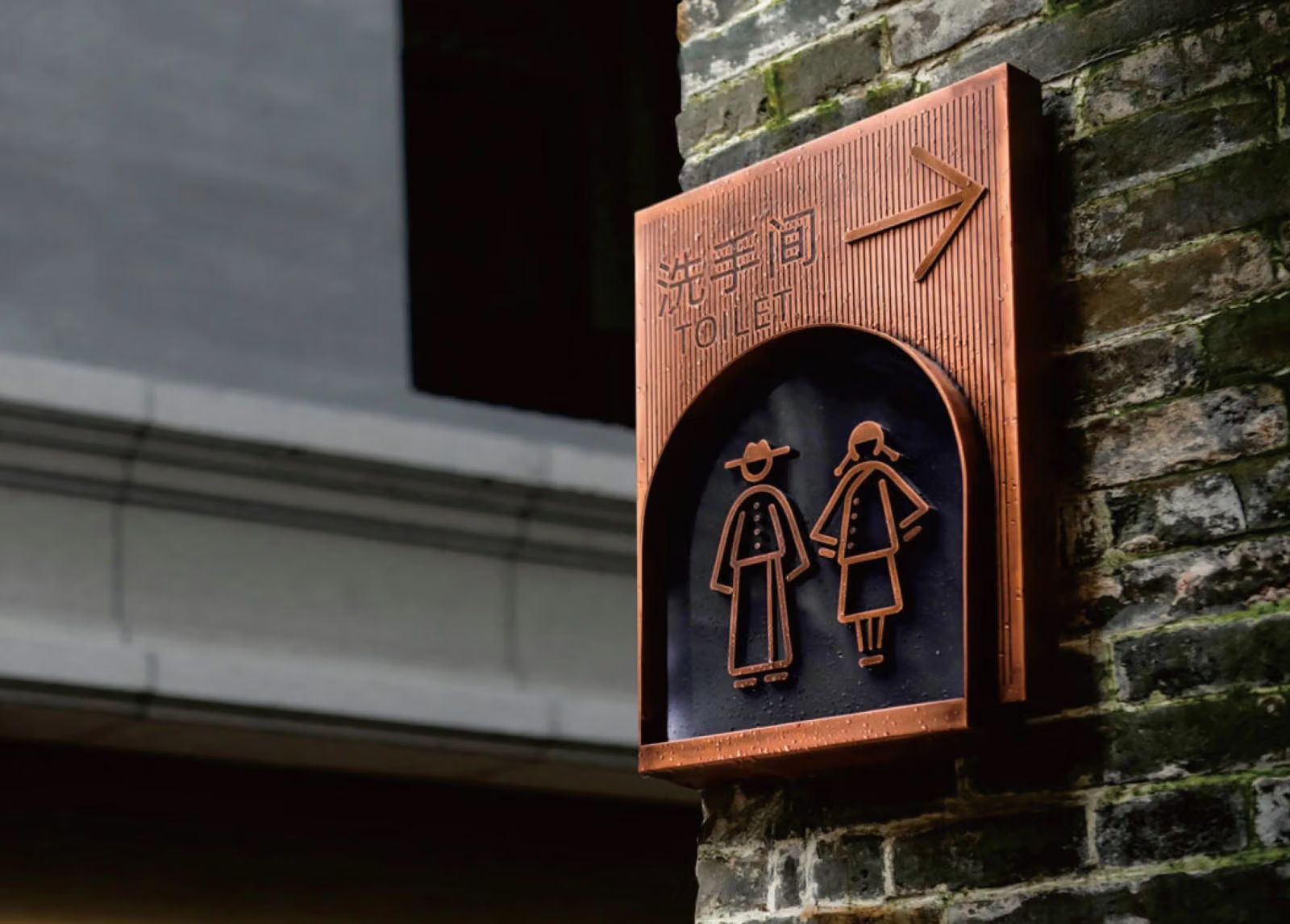
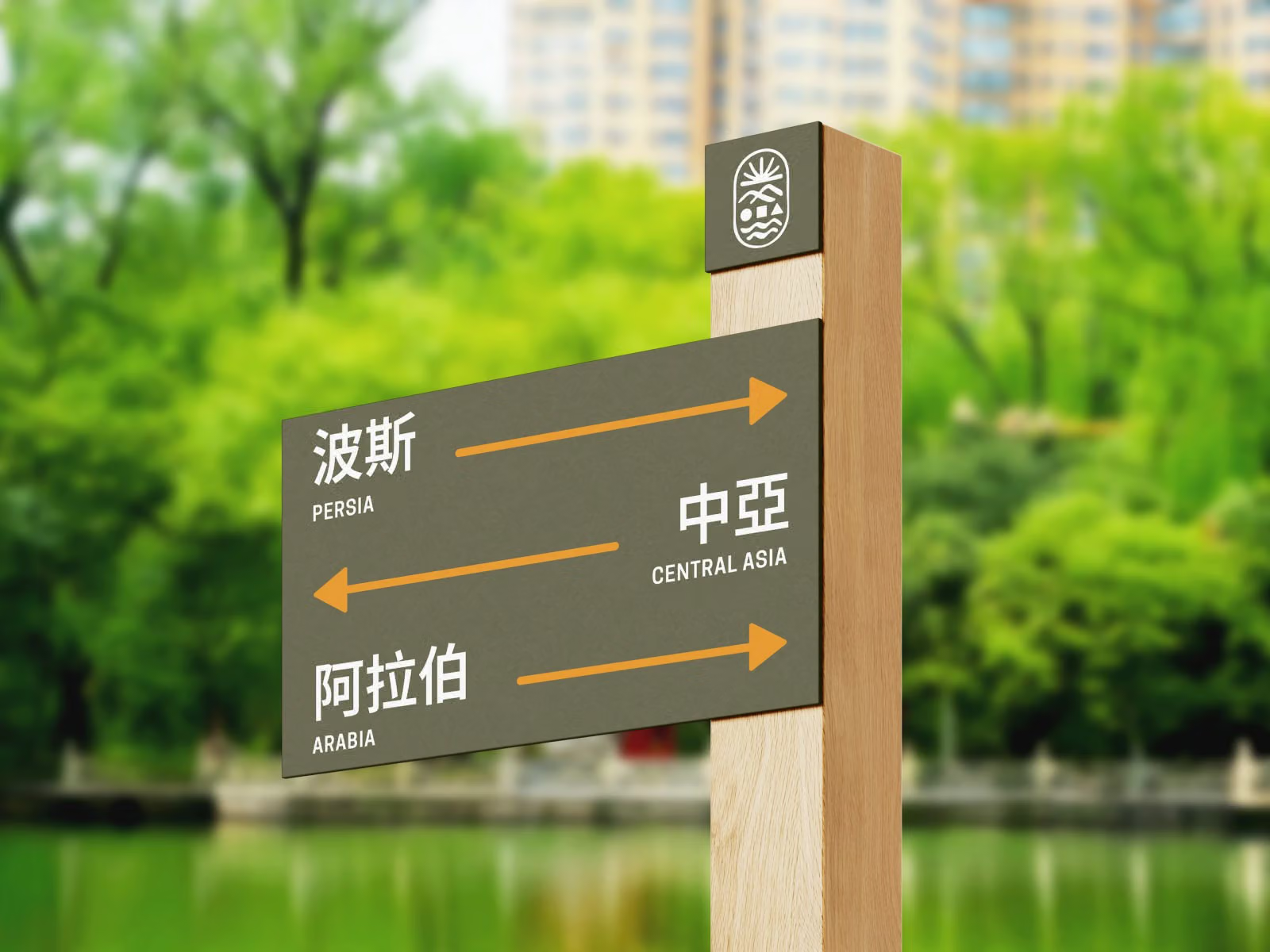
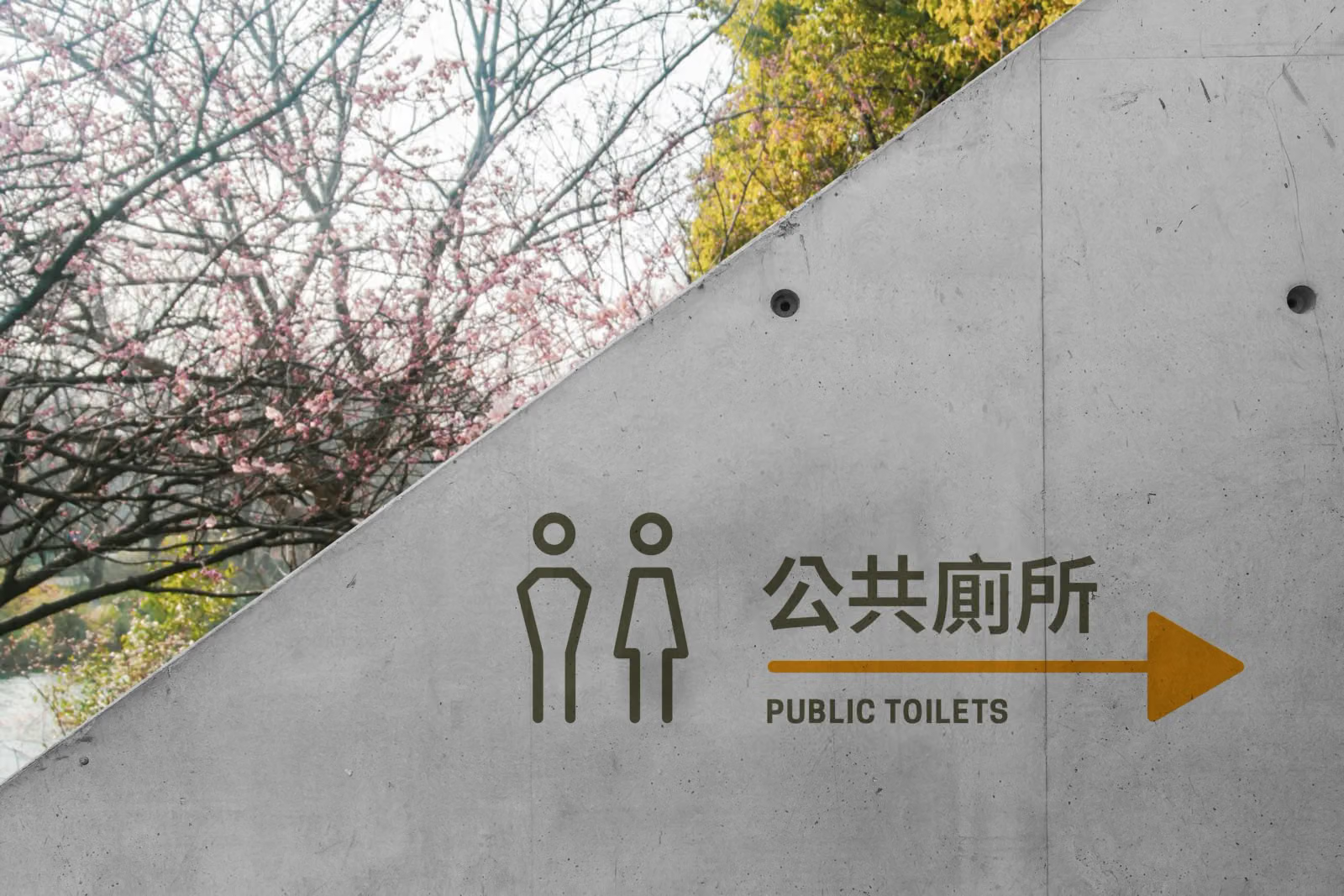
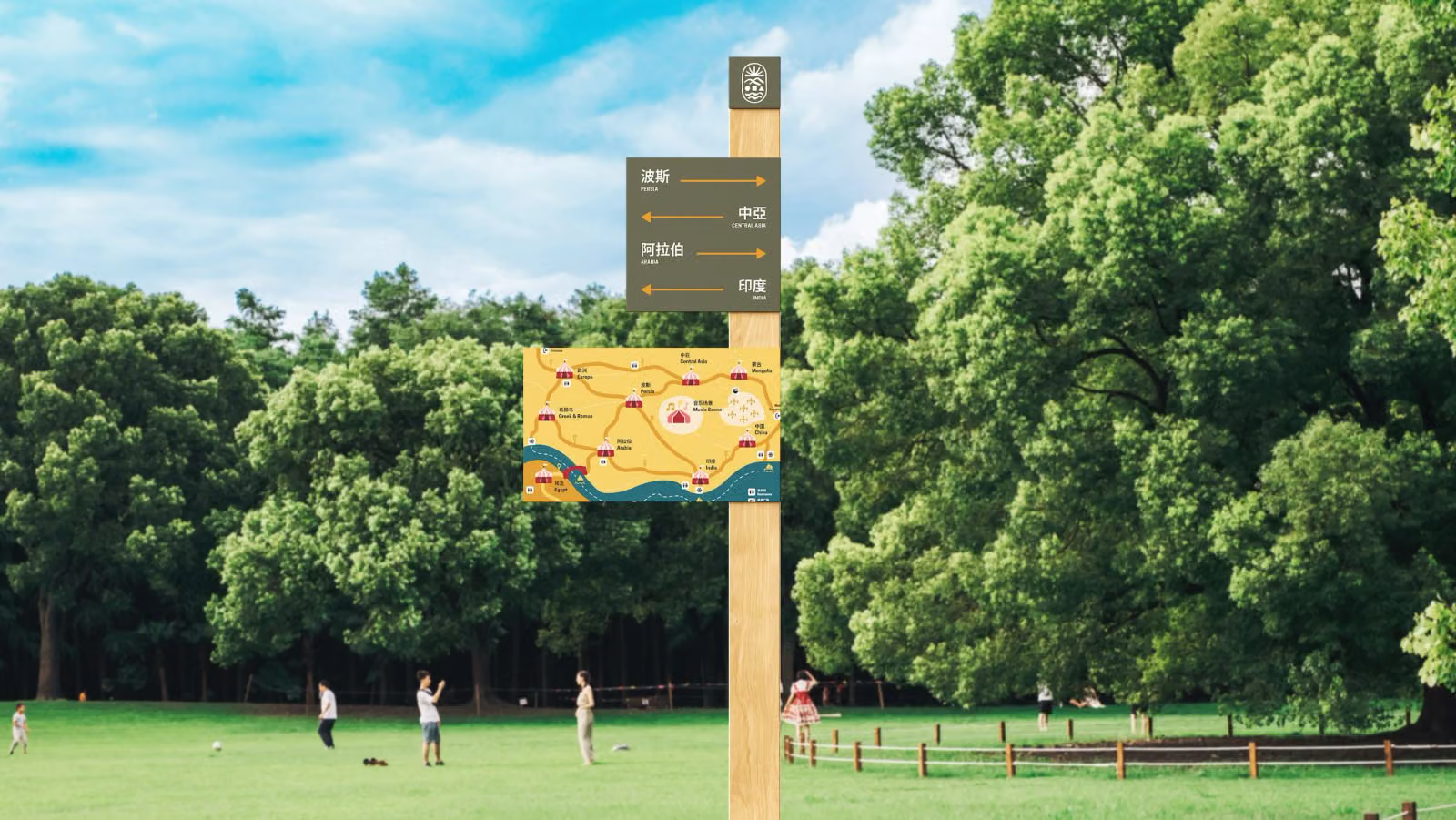
Way-finding
Additionally, we’ve implemented creative and intuitive way-finding throughout the park. Signage and directional markers are designed in a way that reflects the themes of the Silk Road, incorporating traditional motifs and modern elements to make navigation both functional and visually engaging.
Design Solutions
Our design for the Silk Road Legacy event aims to create an engaging, interactive experience that shows how cultures and trade influenced the Silk Road. We include fun gamified activities, live performances, kid-friendly areas, and a variety of good food to attract both Chinese and international audiences.
Gamification
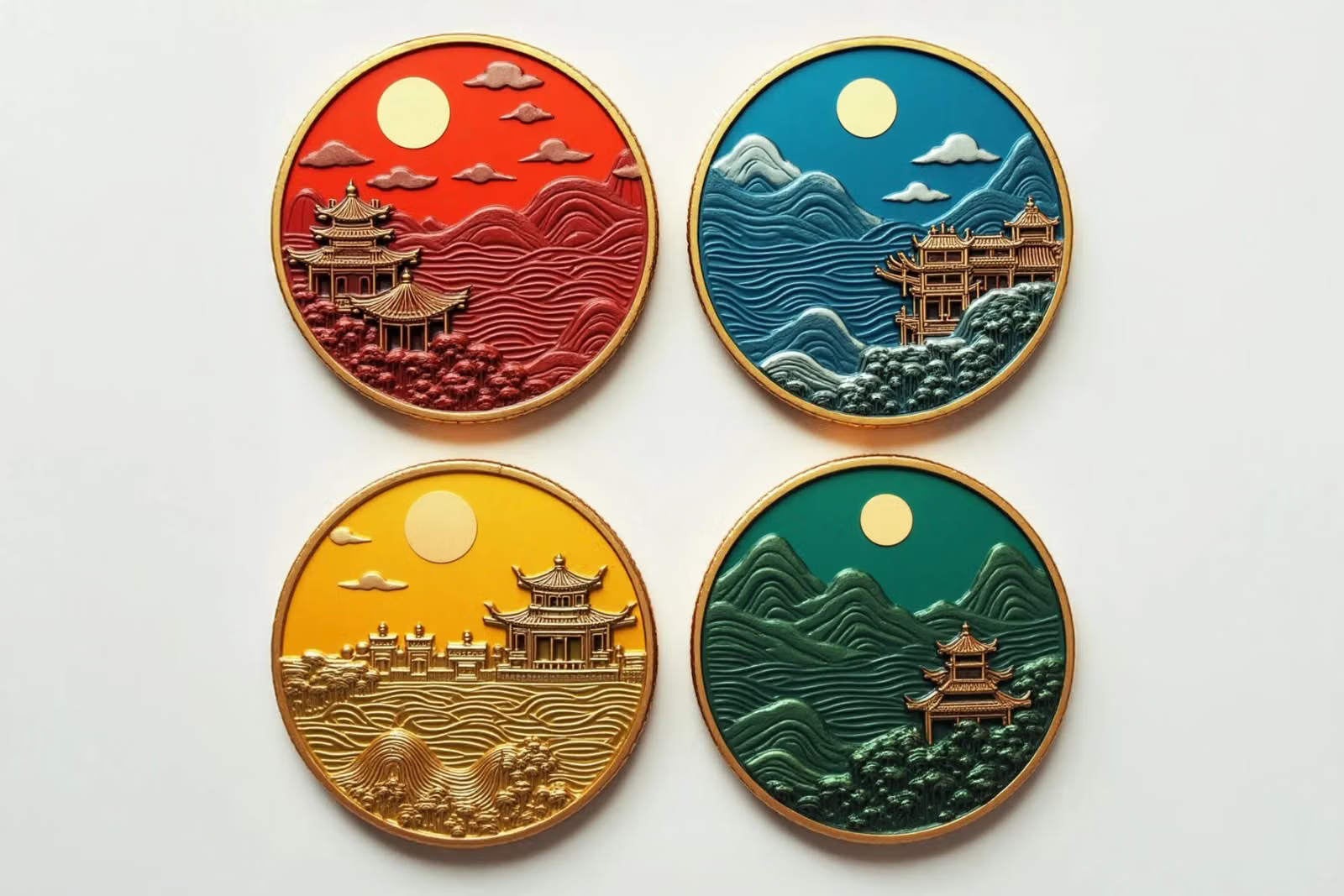
We created an engaging, game-based trading system where visitors can actively participate in the cultural and economic exchanges of the Silk Road. Upon entering the event, visitors receive coins that can be traded for various experiences. Additionally, visitors can earn more coins by winning games and participating in lotteries throughout the day. The coins come in four colors, and each can be traded for different things:
Red Coin: Trade for food, allowing visitors to sample traditional Silk Road-inspired cuisine.
Blue Coin: Use it for a boat ride, reflecting the maritime trade routes that connected regions.
Yellow Coin: Trade it for a souvenir from one of the cultures along the Silk Road, connecting visitors with tangible cultural artifacts.
Green Coin: Exchange for a ride on a horse and the opportunity to feed the horses, offering an immersive experience in the nomadic lifestyle.
Caravan Procession
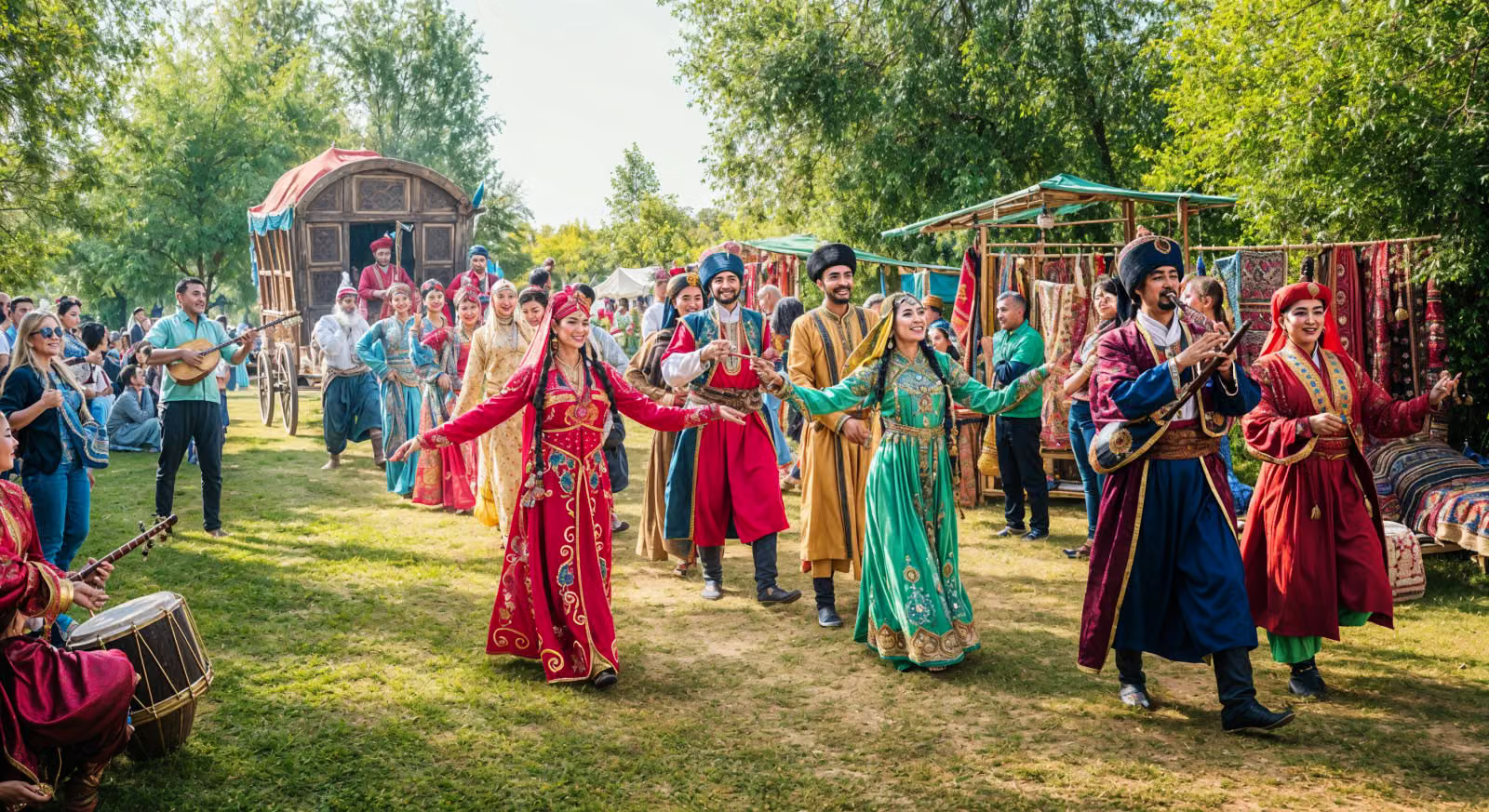
The Grand Caravan Procession brings the Silk Road Legacy to life with music, dance, and costumes. Each day, performers parade through the park as ancient traders, musicians, and dancers. Drums and flutes set the rhythm, while dancers showcase Silk Road cultures. Visitors can walk alongside, experiencing history firsthand. This lively procession celebrates the Silk Road’s spirit of exchange, unity, and adventure.
Cultural Tents
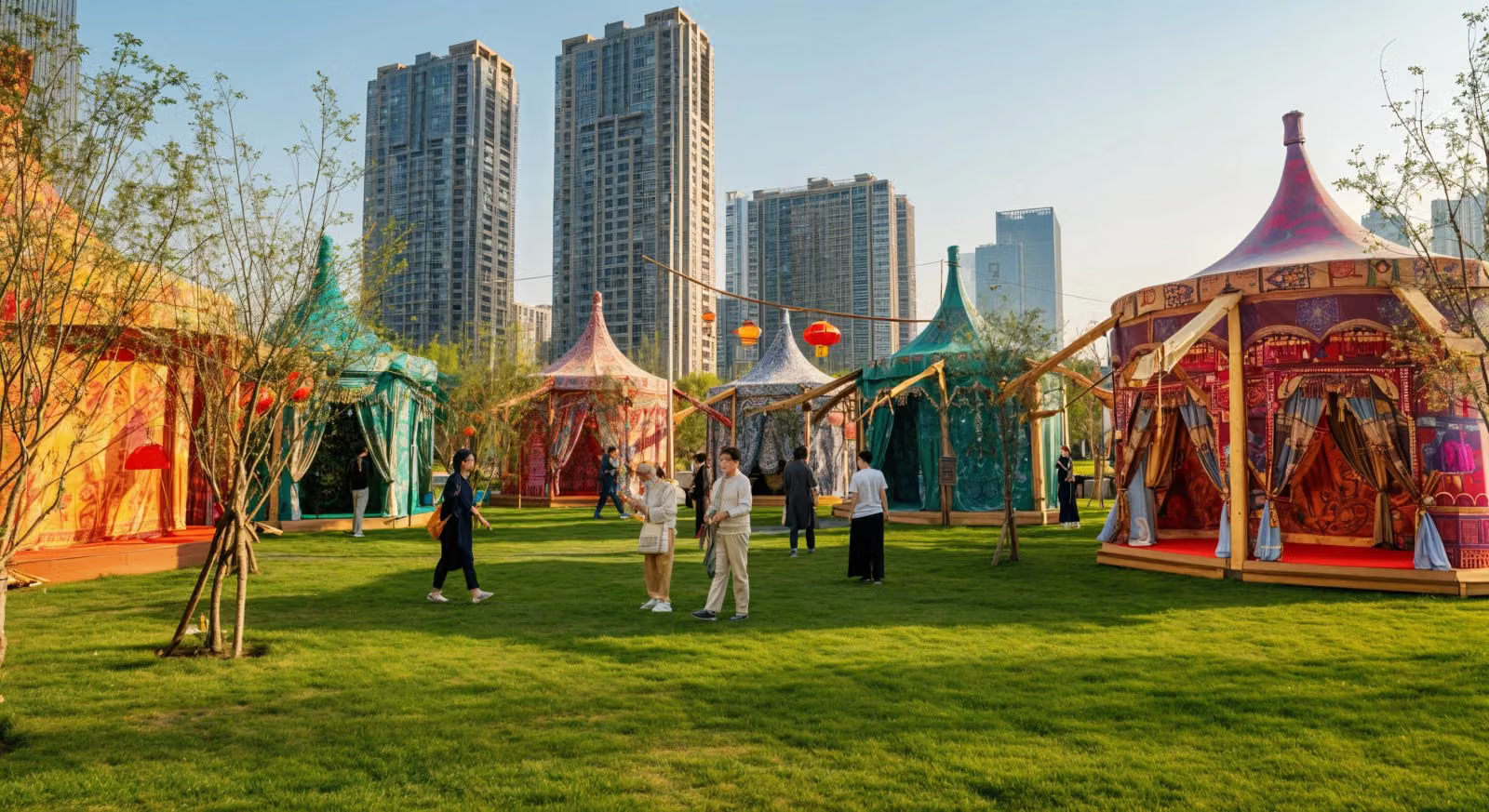
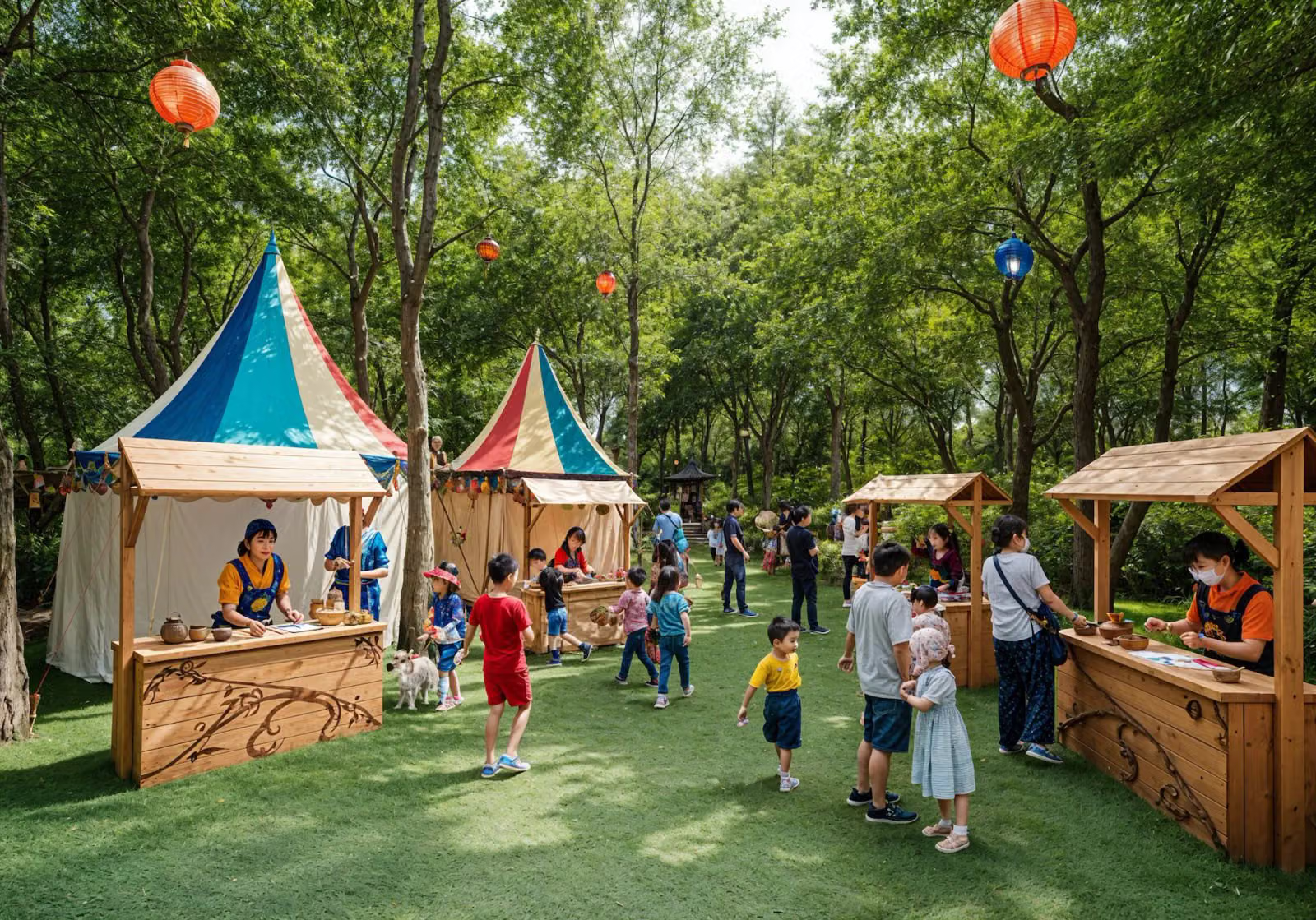
The Cultural Tents at the Silk Road Legacy event highlight the rich traditions of the regions along the ancient trade route. Visitors can explore tents that represent each culture, showcasing traditional crafts, music, dance, and cuisine. Guests can observe artisans at work, sample authentic dishes, and enjoy live performances.
Kids Zone
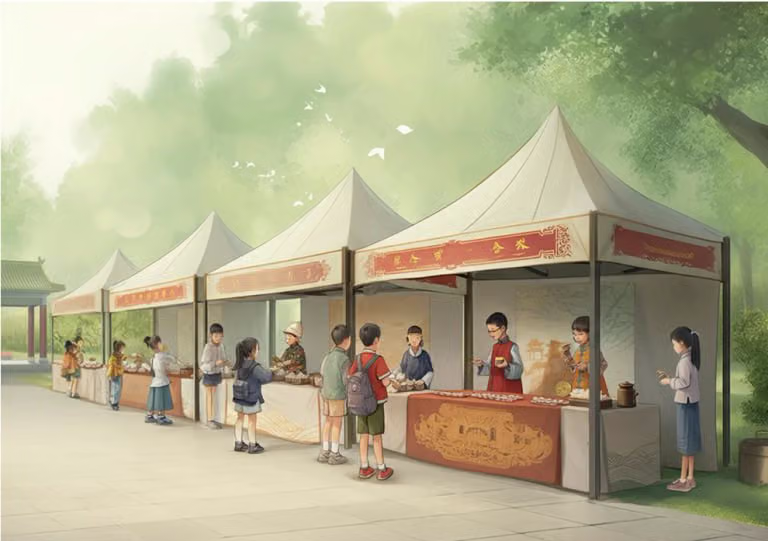
The Kids’ Zone at the Silk Road Legacy event offers fun, hands-on activities for young visitors. Children can enjoy storytelling sessions featuring ancient Silk Road tales, craft workshops where they create traditional art, and interactive games that teach trading and exploration. This vibrant space ensures families experience the Silk Road’s rich culture in an exciting and educational way.
Interactive Map
To enhance the visitor experience, we’ve created a convenient, interactive map that not only highlights the Silk Road’s historic trade routes but also includes boat routes, food courts, and restrooms for easy navigation throughout the event. The map features clear, color-coded icons to guide attendees to key locations, ensuring they can seamlessly explore the exhibition without missing important areas.
Drone Light Show
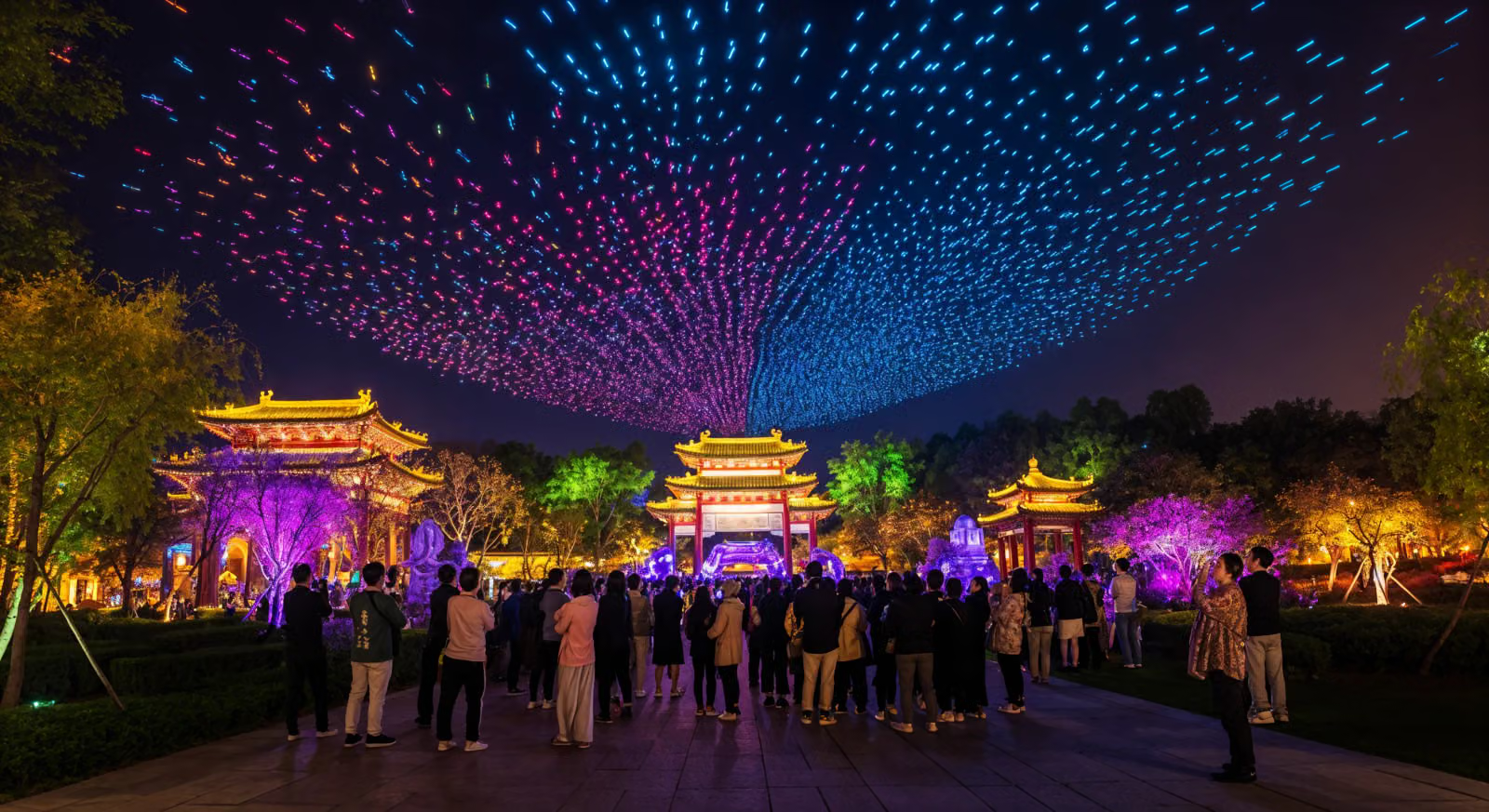
To conclude the day at the "Silk Road Legacy," a stunning drone light show will illuminate the park. The light show blends traditional art with modern technology. The display will feature intricate patterns and scenes symbolizing the trade routes, creating a breathtaking finale that highlights the journey’s cultural significance in a memorable, visually striking way.
Lessons Learned
While developing Silk Road Legacy, we learned the importance of understanding and respecting the different cultures involved, especially Chinese culture, since it hosted the event. We researched Chinese culture and found many interesting facts, including that people in China often work long hours. To accommodate this, we planned our event to last 9 days, making it easier for people with busy schedules to attend. We also realized that being culturally accurate and authentic is crucial for creating an engaging experience that highlights the rich traditions of the Silk Road.
Additionally, we discovered that blending modern technologies, such as interactive maps and drone light shows, with traditional cultural elements creates a dynamic and memorable experience.
Conclusion
The Silk Road Legacy event successfully addressed the challenge of making the ancient trade route’s cultural and economic importance accessible, engaging, and relevant to both Chinese and international audiences. By creating an immersive and interactive experience, the event highlighted the shared influences across art, cuisine, music, and innovation that defined the Silk Road.
The incorporation of gamified experiences, such as the coin exchange system, interactive maps, cultural pavilions, and the caravan procession, brought history to life in meaningful ways, connecting past and present. Additionally, the use of modern technologies like drone light shows further enhanced the experience, creating a visually stunning finale that celebrated the Silk Road’s legacy.
This project was created as part of the Experience Design course at Montreat College in the Spring of 2025.